Aluminum Wiring
Did you know that homes with aluminum wiring are at a higher risk of experiencing dangerous electrical issues, including fires? This wiring, which was commonly installed between the mid-1960s and late-1970s, was once a cheaper alternative to copper. However, over time, aluminum wiring can degrade due to factors like oxidation and expansion, making it especially problematic in humid climates like ours here in Columbia, SC.
In this blog post, we’ll break down why aluminum wiring can pose a hazard and what you can do to protect your property. As a local electrician serving the Midlands, I’ve seen firsthand how older homes with aluminum wiring can become ticking time bombs if left unaddressed. By understanding the risks and learning about the solutions—ranging from connector upgrades to complete rewiring—you can make informed decisions that help keep your family safe and your home up to code. Let’s get started!
What Is Aluminum Wiring?
Aluminum wiring emerged as a popular choice in residential construction during the 1960s and 1970s, primarily due to rising copper prices and aluminum’s affordability. At the time, many builders embraced aluminum as a cost-saving substitute, installing it in everything from single-family homes to multi-unit properties. While it served as an effective conductor for a while, aluminum wiring eventually revealed critical vulnerabilities that weren’t initially evident.
One key difference between aluminum and copper wiring is aluminum’s tendency to oxidize more rapidly, which can lead to a buildup of resistance at connection points. This resistance raises the risk of overheating, arcing, and electrical failures. Another factor is aluminum’s relatively high thermal expansion rate: as electricity flows through the wire and heats it, aluminum expands and contracts more than copper does. This constant shifting can loosen connections over time and create hazards behind your walls.
If your home was built or significantly renovated during the aluminum wiring heyday, it’s worth determining whether you have aluminum wiring. You can do this by inspecting the visible portions of your wiring for labels that read “AL” or “ALUMINUM,” or by calling a licensed Columbia, SC electrician to conduct a professional inspection.
Why Aluminum Wiring Can Be Hazardous
Aluminum wiring’s potential hazards largely stem from its physical properties and how it behaves under typical household electrical loads. Here are the primary risk factors:
- Oxidation and Corrosion
Unlike copper, aluminum readily forms an oxide layer when exposed to air. Over time, this layer can interfere with proper conductivity, creating hot spots that may lead to scorching or even electrical fires. In a humid climate like Columbia, SC, where moisture is abundant, oxidation and corrosion can occur even more quickly. - Thermal Expansion and Contraction
Aluminum expands more than copper when heated by electrical current. In everyday use, this means that wiring connections can loosen over time as the metal expands, contracts, and shifts. Loose wiring connections lead to arcing—tiny electrical sparks that can ignite nearby materials, posing a significant fire risk. - Compatibility Issues
Many fixtures and components in modern electrical systems are designed with copper wiring in mind. If aluminum wiring is connected improperly—especially with incompatible connectors—it can cause increased resistance, heat buildup, and short circuits. - Fire Hazards
Ultimately, the combined effects of corrosion, loose connections, and high resistance can lead to overheating. In the worst cases, this can spark an electrical fire. According to the U.S. Consumer Product Safety Commission, homes with aluminum branch circuit wiring are up to 55 times more likely to have a wiring-related fire than homes with copper wiring.
Understanding these risks is the first step in preventing potentially devastating electrical failures. With the right measures—from regular inspections to proper repairs—homeowners in Columbia, SC can mitigate these hazards and ensure their electrical systems are safe and reliable.
Signs You May Have Aluminum Wiring
Even if you suspect your home might contain aluminum wiring, it can be challenging to confirm without a detailed inspection. Below are some common indicators to guide you:
- Home Construction Date
Aluminum wiring was predominantly used from the mid-1960s to the late-1970s. If your home was built (or substantially renovated) during this period, there’s a reasonable chance aluminum wiring could be present. - Labeling on Exposed Wiring
If you have access to an unfinished area in your home—such as a basement, crawl space, or attic—look at any exposed wiring. Aluminum wiring is often marked with “AL” or “ALUMINUM.” Be sure to exercise caution and never touch live wires. - Flickering or Dimming Lights
Lights that flicker or intermittently dim could be a sign of loose or corroded connections, which are more common in aluminum wiring. While flickering can sometimes be caused by other issues (like a faulty fixture), persistent problems warrant professional evaluation. - Warm or Discolored Outlets and Switches
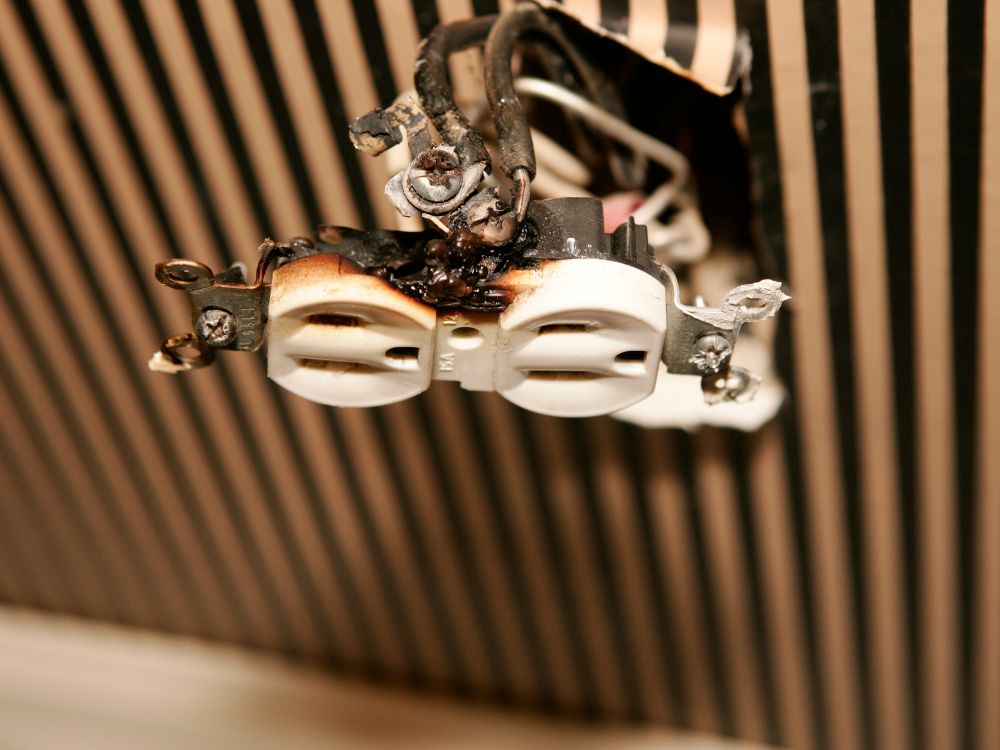
Excessive heat buildup at an outlet or switch may indicate poor connections. Keep an eye out for outlet covers or wall plates that feel unusually warm to the touch, or that exhibit burn marks or discoloration. - Burning Smell or Unusual Buzzing
An acrid, burning odor around outlets or switch plates should never be ignored. Similarly, a persistent buzzing noise could be the sound of arcing within your electrical circuits—a serious fire risk.
If you notice any of these signs, it’s essential to call a qualified Columbia, SC electrician for an inspection. Detecting aluminum wiring issues early can mean the difference between a safe home and a potential electrical disaster.
Aluminum Wiring vs. Copper Wiring
When it comes to residential electrical systems, copper has long been considered the gold standard. Here’s how the two materials compare:
- Conductivity and Reliability
Copper: Renowned for its excellent conductivity, copper wiring efficiently carries electrical current with minimal resistance. Copper’s stability under heat and its lower rate of expansion help maintain tight, reliable connections.
Aluminum: Although aluminum does conduct electricity, it has higher resistance compared to copper. Its tendency to oxidize and expand more under heat can compromise long-term reliability, especially in high-load circuits. - Material Costs
Copper: Historically more expensive, copper’s cost has often been the primary reason builders sought alternative materials. Yet, its durability and safety features generally make it a worthwhile investment over time.
Aluminum: Its lower upfront cost made aluminum a popular choice in past decades, particularly when copper prices surged. However, aluminum wiring’s long-term risks can lead to higher repair, insurance, and potential damage costs down the road. - Safety Considerations
Copper: Less prone to loosening at connections and less likely to overheat, copper wiring is seen as the safer option.
Aluminum: While not inherently unsafe when installed correctly with proper connectors, aluminum still poses a higher risk of fires and other hazards if it’s old, improperly maintained, or if the wrong components are used. - Longevity
Copper: Known for its long service life, copper wiring typically performs well with minimal maintenance.
Aluminum: In ideal conditions, aluminum wiring can last, but it often requires specialized connectors, regular inspections, and diligent care to avoid problems.
In short, copper wiring is generally the superior choice for new installations or major upgrades due to its reliability, conductivity, and safety record. However, if your Columbia, SC home already has aluminum wiring, there are solutions to enhance its safety without a complete overhaul—something we’ll explore in the following section.
Potential Solutions and Upgrades
Once you’ve confirmed or strongly suspect that your home has aluminum wiring, there are several ways to address the issue and improve safety:
- Full Rewiring
What It Involves: Replacing every aluminum branch circuit with copper wiring throughout the home.
When It’s Needed: If your home’s wiring is severely damaged, or if you’re already undergoing major renovations that provide easy access to walls, a complete rewiring may be the most comprehensive option.
Benefits: Although it’s a more significant upfront investment, full rewiring provides the highest level of safety and peace of mind for homeowners. - Connector Upgrades (Pigtailing)
COPALUM Crimping: This method uses a special tool and connector to join aluminum wiring to short copper leads (called “pigtails”). The connection is then sealed to prevent oxidation and overheating.
AlumiConn Connectors: A newer alternative to COPALUM, AlumiConn connectors are similarly approved by the U.S. Consumer Product Safety Commission (CPSC). They provide a secure connection between the aluminum wire and copper pigtails.
Benefits: Connector upgrades are often more cost-effective than a full rewiring. They also reduce the risk of overheating and arcing in critical junctions. - Electrical Panel Upgrade
Why It Matters: In many older homes, the electrical panel may be outdated, undersized, or not up to modern code. Worn panels can compound existing risks of aluminum wiring by overloading circuits or failing to trip in time.
What’s Involved: Replacing the old panel with a new, higher-capacity breaker box that meets current safety standards and can handle today’s appliance demands.
Long-Term Advantages: An upgraded panel enhances reliability, can accommodate future home improvements, and improves overall electrical system safety. - Routine Maintenance and Inspections
Regular Check-Ups: Even if you opt for connector upgrades, it’s crucial to schedule periodic inspections to ensure connections remain tight and corrosion-free.
Professional Guidance: A licensed Columbia, SC electrician is your best resource for ongoing care and any needed follow-up work.
Each home is unique, and the right solution often depends on factors like budget, accessibility, and the home’s overall condition. Consulting with a qualified electrician can help you determine the most effective strategy to keep your family safe and your property up to code.

Columbia, SC-Specific Considerations
When it comes to electrical safety, your local environment and regulations can play a big role in determining the best approach for handling aluminum wiring. Here’s what homeowners in Columbia, SC should keep in mind:
- Local Building Codes and Inspections
Relevance: Building codes can vary by state and county, so what might be acceptable in one location may not meet standards elsewhere.
Importance: Ensuring that any wiring upgrades or repairs meet South Carolina codes can save you from costly fines or the need for rework.
Tip: If you plan on selling or refinancing your home, passing a home inspection that includes a thorough evaluation of your electrical system will likely be required. - Climate Factors
High Humidity: Columbia’s humid subtropical climate accelerates corrosion, making aluminum wiring issues potentially more frequent and severe.
Temperature Swings: While not as extreme as in some regions, seasonal temperature changes can still cause expansion and contraction in aluminum wiring, intensifying the risk of loose connections. - Qualified Local Electricians
Why Local Matters: Hiring an electrician who is familiar with local codes and weather conditions can be a significant advantage. They’ll be aware of common regional problems and the best solutions for dealing with aluminum wiring.
Licensing and Insurance: Always ensure the electrician you hire is licensed in South Carolina and carries adequate insurance. A professional electrician will also be able to provide references or examples of local work. - Real Estate Impact
Property Value: Aluminum wiring can affect the perceived value of your home. Some buyers might negotiate for a lower price if they know it’s present, or require that it be fixed before closing.
Disclosure Requirements: South Carolina real estate transactions typically require you to disclose known issues with the property. Proactively addressing aluminum wiring helps you stay transparent and keep deals running smoothly.
Whether you’re planning to sell your home or stay put long-term, staying informed about local building requirements and environmental impacts will help you make the best decisions regarding your electrical system. By working with a Columbia-based electrician, you can ensure your wiring meets all necessary guidelines and is prepared for the region’s climate challenges.

Local Building Codes and Inspections
- Adoption of the NEC
South Carolina has adopted the 2020 National Electrical Code (NEC), which lays out the requirements for proper installation and maintenance of electrical systems, including aluminum wiring.- NEC 110.14 (Electrical Connections): Addresses the need for connectors and terminations listed and identified for the specific conductor material (including aluminum).
- NEC 310.106 (Conductor Material): Explains that conductors can be copper, copper-clad aluminum, or aluminum, and outlines requirements for safe use.
- Where to Find the Code
You can visit the South Carolina Building Codes Council website for details on state-specific amendments or local adoption information. The NFPA’s Free Access Site allows you to view the NEC online (registration required). - Why Code Compliance Matters
Ensuring that any wiring upgrades or repairs meet the NEC and local amendments will save you from potential fines, failed inspections, or the need for rework. It also ensures your home’s electrical system is up to modern safety standards—critical for both homeowners and prospective buyers.
Climate Factors
- High Humidity
Columbia’s humid subtropical climate accelerates corrosion, making aluminum wiring more susceptible to oxidation and loosening, just like Knob & Tube wiring. - Temperature Swings
Seasonal temperature changes cause metals to expand and contract. Aluminum’s higher expansion rate increases the risk of loose connections if not properly installed with approved connectors.
Qualified Local Electricians
- Why Local Matters
Hiring an electrician familiar with the Midlands area ensures they understand specific local regulations and climate challenges that affect aluminum wiring. - Licensing and Insurance
Always confirm that any electrician you hire is licensed in South Carolina. You can check credentials through the South Carolina Department of Labor, Licensing and Regulation.
Real Estate Impact
- Property Value
Aluminum wiring can lower the perceived value of your home if not addressed, as many buyers fear potential safety issues. - Disclosure Requirements
South Carolina real estate regulations typically require disclosing known issues with your property. Handling aluminum wiring proactively makes the process smoother and can protect you from future liability.
By staying informed about these local considerations and relevant code sections, you’ll be better equipped to make safe, cost-effective decisions regarding your home’s electrical system. A knowledgeable Columbia-based electrician can guide you through code compliance, inspections, and any necessary upgrades, ensuring your aluminum wiring is managed safely and responsibly.
Maintenance Tips for Homeowners
Even if your home has aluminum wiring that’s been professionally inspected or repaired, ongoing maintenance is crucial to preventing future hazards. Here are some proactive steps every Columbia, SC homeowner can take:
- Schedule Regular Inspections
Why It Matters: Aluminum wiring is more prone to oxidation and loose connections, which can develop gradually over time. A professional electrician can detect early signs of trouble—like discolored wiring insulation or heat damage—before they escalate.
Suggested Frequency: Aim for an electrical inspection at least once every 3–5 years if you have aluminum wiring, or sooner if you notice any unusual electrical behavior (e.g., frequent circuit breaker trips, flickering lights, buzzing sounds). - Check for Warning Signs
Flickering Lights: This can indicate a loose or corroded connection somewhere in your wiring.
Warm or Discolored Outlets: Outlets that feel hot to the touch, smell burned, or appear discolored should be inspected immediately.
Unusual Noises or Smells: Buzzing, crackling, or a burnt smell near switches or fixtures can signal arcing, a serious fire risk. - Mind Your Appliance Loads
Avoid Overloading Circuits: Plugging too many high-wattage appliances into a single outlet or circuit can stress aluminum wiring. Spread out usage across multiple circuits or outlets when possible.
Smart Upgrades: If you’ve added new appliances—like a high-capacity HVAC system or electric vehicle charger—you may need to upgrade circuits or even your entire panel to handle the additional load safely. - Use Proper Outlets and Switches
CO/ALR Devices: If you must connect aluminum wiring directly to an outlet or switch, look for CO/ALR (Copper/Aluminum Revised) labeled devices. These are designed to handle the specific expansion and connection characteristics of aluminum wiring.
GFCI and AFCI Protection: Ground Fault Circuit Interrupters (GFCIs) and Arc Fault Circuit Interrupters (AFCIs) can offer an extra layer of safety. Consider installing these devices in areas where moisture or arcing risks are high (e.g., bathrooms, kitchens, bedrooms). - Consult a Professional for Any Electrical Work
DIY Risks: Improperly handling aluminum wiring can exacerbate existing issues. Even simple tasks—like replacing an outlet—should be approached with caution if aluminum wiring is involved.
Licensed Electricians: Rely on a licensed, insured electrician in Columbia, SC who understands local codes, climate considerations, and the unique challenges of aluminum wiring.
By following these maintenance tips and staying vigilant about early warning signs, you can significantly reduce the risk of electrical fires and other hazards associated with aluminum wiring. A little prevention goes a long way toward ensuring your home remains safe, code-compliant, and comfortable for years to come.

A Safer Home Is Within Reach
Aluminum wiring doesn’t have to be a perpetual source of worry for homeowners in Columbia, SC. By understanding the unique risks it poses—such as oxidation, loosening connections, and increased fire hazards—you’re already one step closer to taking effective action. Whether you opt for full rewiring, connector upgrades, or regular professional inspections, there are reliable solutions that can bring your home up to modern safety standards.
Keep in mind that any work involving aluminum wiring calls for specialized knowledge and careful attention to local building codes. Partnering with a licensed electrician who understands the specific challenges of our region’s humid climate ensures that repairs and upgrades are both code-compliant and built to last. With a little vigilance—such as watching for warm outlets or flickering lights—you can address minor issues before they become major hazards.
By investing in safe electrical practices now, you’re not only protecting your home and loved ones from potential dangers—you’re also safeguarding your property value and peace of mind for years to come. If you suspect aluminum wiring in your house or simply want a professional opinion, don’t hesitate to reach out for an inspection or consultation. After all, a safer home is well within your reach.
