
Combating Columbia’s Humidity & Heat:
Expert Electrical Maintenance Tips
for Homeowners
If you’ve spent more than one summer in Columbia, South Carolina, you know that “hot and humid” isn’t just a passing weather pattern—it’s a way of life. This region’s intense heat and high humidity can have surprising consequences on your home’s electrical system, often leading to corroded wiring, stressed appliances, and potential safety hazards. Yet many homeowners don’t realize the connection between steamy air, elevated moisture levels, and the electrical health of their living spaces.
In this post, we’ll delve into how Columbia’s unique climate conditions affect your home’s wiring, fixtures, and devices. More importantly, we’ll share practical, expert-approved tips to protect your electrical system from humidity damage, reduce energy waste, and keep your household comfortable and secure year-round. Whether you’re a longtime resident or new to the Midlands, understanding these simple steps can help you maintain a safer, more efficient home—even when the thermometer starts to climb.
Understanding the Midlands Climate and Its Impact on Electrical Systems
Nestled in the heart of South Carolina, Columbia sits squarely in a humid subtropical zone where sweltering summers and elevated moisture levels are the norm. According to the National Oceanic and Atmospheric Administration’s local climate summaries, the region frequently experiences summer temperatures soaring into the 90s Fahrenheit accompanied by humidity levels that often exceed 70%. Over time, this thick, moisture-rich air doesn’t just make life sticky—it can also compromise the integrity of your home’s electrical system.
High humidity accelerates corrosion on metal components, weakening wires, switch terminals, and circuit breakers. As the moisture in the air condenses, it can seep into electrical outlets, junction boxes, and even behind walls, leading to premature wear and potential safety hazards. The added heat compounds this problem, causing insulation around wires to degrade more rapidly and making it harder for appliances to dissipate excess warmth. For instance, as noted in Corrosionpedia’s overview on humidity and corrosion, higher humidity levels can significantly speed up oxidation reactions that pit and weaken metal electrical parts.
In addition, trapped moisture encourages mold and mildew growth, which can form around outlets, inside panel boxes, or behind wall plates. These fungal intruders may not directly short-circuit your system, but they degrade materials over time, increasing the likelihood of electrical failures. The U.S. Department of Energy’s guidance on indoor moisture control further explains how unchecked humidity can undermine building materials and, by extension, the reliability of the electrical infrastructure they support.

In short, Columbia’s hot and humid climate creates an environment where electrical components need extra care and attention. By understanding how humidity and heat accelerate wear and tear, you’re better equipped to take proactive measures that keep your home’s electrical system safe, durable, and efficient—no matter what the forecast brings.
Common Electrical Issues in Humid and Hot Conditions
The combination of soaring temperatures and persistent humidity in Columbia isn’t just a recipe for discomfort—it can also lead to a host of electrical problems. Some of the most frequently encountered issues stem directly from the dampness in the air and the stress placed on your home’s wiring and devices.
- Corroded Wiring and Terminals
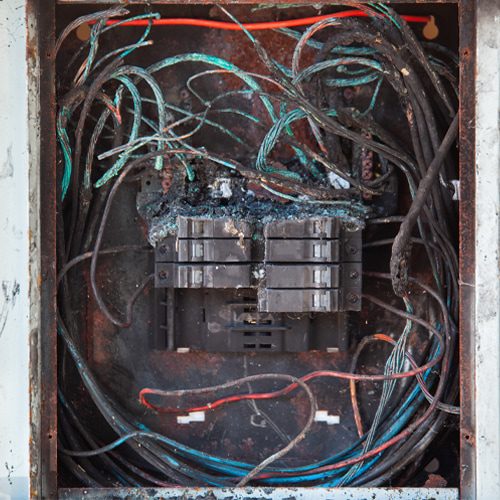
When excess moisture contacts metal, it accelerates corrosion, gradually eating away at wiring and metal terminals inside switches and outlets. This degradation can weaken connections and increase resistance, causing circuits to run hot and potentially leading to blown fuses or tripped breakers. Over time, corroded components become fire hazards and may require complete rewiring. - Mold and Mildew in Junction Boxes
Moisture inside wall cavities and attic spaces creates a breeding ground for mold and mildew. While these fungal intruders might not directly short-circuit electrical pathways, they degrade wooden support structures and insulation around wiring. As materials weaken and warp, there’s a greater chance wires will shift, exposing them to damage. According to the U.S. Environmental Protection Agency (EPA), controlling indoor humidity is crucial in preventing mold growth and safeguarding your home’s structural and electrical integrity. - Frequent Breaker Trips and Overloads
Heat places a heavier burden on cooling systems like air conditioners, which already demand substantial power. As temperatures rise, these appliances run longer and harder, increasing the overall electrical load. Overworked circuits are more prone to tripping, especially when combined with humidity-related wear and tear on wiring and connections. Keeping an eye on your circuit breaker box is essential—frequent trips are a sign you may need to redistribute loads or upgrade certain components. - Degraded Insulation and Conduit
Prolonged exposure to high humidity can weaken the insulating materials that protect electrical wiring. Insulation that becomes damp and brittle fails to perform its primary function—preventing wires from touching each other and causing shorts. Similarly, conduits designed to protect wiring from environmental stress may deteriorate faster in humid climates, leaving electrical lines vulnerable to physical damage and corrosion.
In short, the steamy conditions in and around Columbia create an environment where electrical components face a constant fight for stability. Recognizing these common issues is the first step toward taking preventative measures that keep your home running safely and efficiently.
Preventative Measures and Maintenance Tips
Defending your home’s electrical system against Columbia’s humidity and heat doesn’t require an engineering degree—just some foresight and a few well-chosen improvements. By staying proactive, you can minimize damage and reduce the likelihood of disruptive (and costly) electrical issues.
- Improve Airflow and Ventilation
Ensure that areas prone to moisture—like basements, crawl spaces, and attics—are well-ventilated. By using exhaust fans, dehumidifiers, and strategically placed vents, you can keep humidity at bay. Proper air circulation helps prevent condensation from settling on metal fixtures, wiring, and inside electrical enclosures. - Opt for Humidity-Resistant Fixtures and Enclosures
In damp locations such as bathrooms, kitchens, or outdoor decks, look for fixtures specifically rated for humid conditions. Using weatherproof covers on exterior outlets and investing in vapor-tight lighting can significantly extend the life of your wiring and appliances. The U.S. Consumer Product Safety Commission (CPSC) recommends Ground Fault Circuit Interrupter (GFCI) outlets in moisture-prone areas as a critical safety measure. - Regularly Inspect Outlets, Switches, and Wiring
Performing a quick, seasonal inspection of visible wiring, outlets, and switches can catch minor issues before they escalate. Look for signs of discoloration, warping, or a persistent “musty” odor that could indicate moisture infiltration. If you notice anything suspicious, consider scheduling an inspection by a licensed electrician who understands local climate challenges. - Seal Gaps and Leaks in Your Home’s Envelope
By reducing drafts and leaks, you not only improve energy efficiency but also limit the amount of moist air entering your home. Sealing cracks around windows, doors, and where wiring enters the home helps maintain a stable interior humidity level, making life easier on your electrical components. - Schedule Professional Check-Ups
Just as regular medical check-ups help prevent major health issues, periodic professional electrical inspections can avert serious home hazards. An electrician familiar with Columbia’s specific challenges can recommend the best humidity-resistant materials, advise on upgrading outdated wiring, or suggest adding circuits to prevent overloading.
By following these preventative measures and routine maintenance tips, you’ll extend the life of your electrical system, reduce the risk of safety hazards, and enjoy greater peace of mind—no matter how steamy it gets outside.
Seasonal Maintenance and Professional Check-Ups
The hot, humid months in Columbia don’t just strain your air conditioner—they also test the resilience of your home’s electrical system. By following a seasonal maintenance routine and involving certified professionals at the right time, you can identify emerging problems early and maintain a safe, efficient household.
- Pre-Summer Inspections
Before the most intense heat and humidity arrive, consider booking a professional electrical inspection. An electrician can test your circuit breakers, assess wiring conditions, and verify that moisture hasn’t compromised key components. By addressing minor issues early, you prevent small hiccups from turning into costly breakdowns during the peak of summer. - Mid-Season Check-Ins
As temperatures climb, keep an eye on your home’s electrical “vitals.” Listen for buzzing sounds in outlets, watch for dimming or flickering lights, and stay alert to any burning odors around panels or wiring. Spotting these signs mid-season allows you to address problems promptly, potentially avoiding system failures or electrical hazards. - Post-Summer Assessments
Once the heat begins to subside, give your electrical system a checkup to see how well it stood up to the stress. Dampness may have lingered in hidden spaces, degrading insulation or weakening wire connections. By identifying these issues before cooler weather settles in, you ensure your electrical system is in prime condition for the months ahead. - Incorporating Preventative Upgrades Over Time
Seasonal evaluations offer the perfect opportunity to gradually improve your home’s electrical infrastructure. Based on the findings of your electrician, you might decide to add surge protection, upgrade outdated circuits, or invest in weather-resistant outlets. Spreading these improvements across seasons can make them more manageable and budget-friendly. - Working With Qualified Professionals
Hiring an electrician familiar with Columbia’s climate challenges can make a substantial difference. They’ll know which products and configurations hold up best under constant humidity, as well as what local codes and rebates might apply to your upgrades. A knowledgeable professional can also provide customized recommendations for keeping your system sound year-round.
By treating your electrical system’s upkeep as a seasonal routine—just like HVAC tune-ups or gutter cleanings—you ensure it remains resilient in the face of Columbia’s unique climate demands. Regular check-ups and timely maintenance not only extend the life of your wiring and equipment but also boost your home’s overall safety and comfort.
Controlling Indoor Humidity to Protect Your Electrical Systems
Reducing indoor humidity isn’t just about comfort—it’s also a key strategy for safeguarding your electrical infrastructure. By maintaining balanced moisture levels, you can slow corrosion, prevent mold growth, and help your wiring and appliances function at their best, no matter how humid it is outside.
- Use Dehumidifiers and Properly Sized HVAC Units
A dehumidifier can significantly reduce indoor moisture levels, especially in areas like basements and laundry rooms. Additionally, ensuring that your air conditioning system is properly sized for your home—neither too large nor too small—helps keep humidity in check. According to the U.S. Department of Energy, right-sized HVAC systems run longer, remove more moisture, and maintain more comfortable, stable conditions. - Seal and Insulate to Minimize Moisture Intrusion
Gaps around windows, doors, and exterior fixtures allow humid outdoor air inside. By sealing these openings and upgrading your home’s insulation, you create a more controlled indoor environment. Proper insulation not only enhances energy efficiency but also deters condensation that could form on cool surfaces and infiltrate electrical components. - Ventilate High-Moisture Areas
Kitchens, bathrooms, and laundry rooms generate significant moisture through cooking, bathing, and cleaning. Installing or improving exhaust fans in these spaces helps remove humid air at its source. Regularly cleaning and maintaining these fans ensures they continue to operate effectively. When these areas are properly ventilated, moisture has fewer opportunities to linger and affect electrical components. - Monitor Indoor Humidity Levels
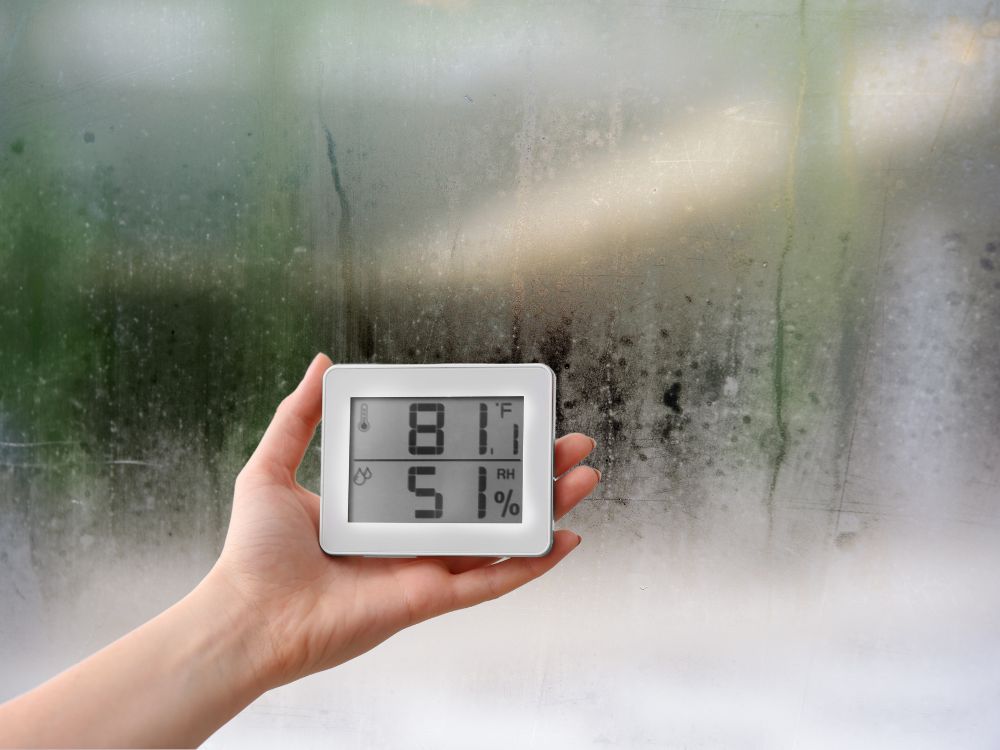
Investing in an inexpensive hygrometer makes it easy to track indoor humidity. Aim for an indoor relative humidity between 30% and 50%. This range helps deter mold, corrosion, and other moisture-driven problems. Consistent monitoring allows you to take corrective action—like adjusting your dehumidifier settings—before conditions become problematic. - Consider Whole-Home Moisture Control Measures
If humidity is a persistent challenge, you may want to explore whole-home solutions like energy recovery ventilators (ERVs), balanced ventilation systems, or enhanced HVAC controls. These advanced measures offer more comprehensive moisture management, ensuring that every room in your home maintains conditions conducive to long-lasting, efficient electrical systems.
By controlling indoor humidity, you create a healthier living environment and add longevity to your home’s wiring, fixtures, and appliances. Simple steps like sealing air leaks, using the right HVAC system, and ventilating damp areas all contribute to a stable environment where electrical systems can thrive—even in Columbia’s famously steamy climate.
When to Call in a Professional Electrician
Even if you’ve taken preventative measures and followed best practices for controlling indoor humidity, there are times when a DIY approach isn’t enough. Recognizing the warning signs that it’s time to consult a qualified electrician can help protect both your family and your home.
- Frequent Breaker Trips and Flickering Lights
While an occasional trip might be normal, persistent issues—such as breakers repeatedly shutting off or lights that constantly flicker—often signal underlying electrical stress. These symptoms can be linked to corroded wiring, overloaded circuits, or weakened insulation due to humidity and heat. A professional electrician can pinpoint the root cause and recommend targeted solutions. - Signs of Electrical Damage or Odors
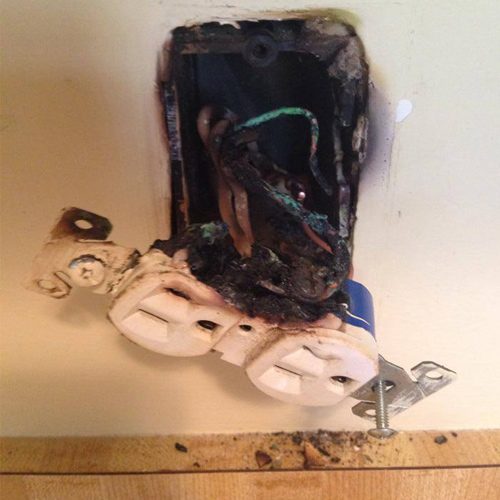
Burning or plastic-like smells, scorch marks around outlets, or visibly warped switches are never a good sign. These red flags indicate excessive heat and potential fire hazards within your wiring or components. Consulting a licensed electrician promptly can help prevent more extensive damage, ensuring your home remains safe and code-compliant. - Unexplained Appliance Malfunctions
If a normally reliable appliance suddenly struggles to run efficiently—or if you notice a buzzing sound coming from your refrigerator, air conditioner, or other large load devices—there may be an electrical issue at play. A professional can assess whether humidity-driven corrosion, damaged wiring, or faulty connections are causing the trouble. - Upgrading for Safety and Efficiency
Older homes in Columbia often have legacy wiring or outdated panels not designed for modern electrical demands. Upgrades like adding Ground Fault Circuit Interrupter (GFCI) outlets in damp areas, installing whole-home surge protection, or upgrading the panel to handle new appliances are best handled by a pro. An expert’s eye ensures the job is done right the first time, saving you from frustration and potential hazards. - Expert Guidance on Local Codes and Incentives
A professional electrician familiar with South Carolina’s regulations and local building codes can guide you through necessary permits and inspections. They can also alert you to utility rebates, incentives for energy-efficient upgrades, and specialized products known to withstand Columbia’s climate. This kind of tailored advice helps you make informed decisions about your home’s electrical improvements.
In the long run, collaborating with a professional electrician can be a smart investment. From preventing dangerous conditions to identifying cost-saving opportunities, expert input ensures your electrical system remains both robust and resilient, no matter how humid and hot Columbia’s weather becomes.
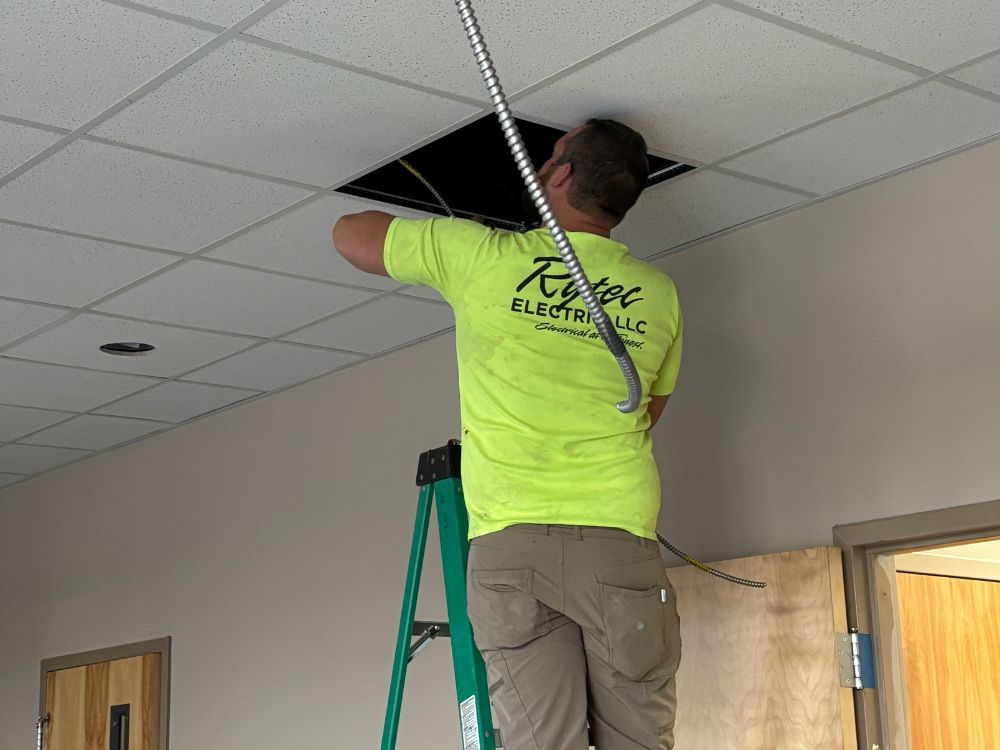
Your Next Step to Protecting Your Home’s Electrical System in Columbia’s Climate
Columbia’s hot, humid climate may pose challenges to your home’s electrical system, but with the right knowledge and proactive measures, you can keep your wiring, devices, and appliances running safely and efficiently. By understanding how moisture and heat contribute to common electrical issues, you’ll be better prepared to invest in preventative upgrades, seasonal check-ups, and humidity control measures that keep problems at bay.
Routine inspections, proper ventilation, and thoughtful improvements—such as adding GFCI outlets or installing vapor-tight fixtures—help ensure that your electrical infrastructure endures the Midlands’ steamy conditions year after year. And when warning signs appear—be they persistent breaker trips, flickering lights, or odd odors—calling in a qualified electrician not only maintains your home’s safety and value but also gives you peace of mind.
The time and effort spent fortifying your electrical system against Columbia’s climate will pay dividends for your comfort, security, and long-term financial well-being. Armed with the insights shared in this guide, you’re ready to create a home environment that thrives, no matter how high the mercury climbs.
