Preventing Electrical Fires:
Why Home Safety Inspections Matter
Let’s be real: Electrical fires can be absolutely devastating. According to the Electrical Safety Foundation International (ESFI), electrical problems spark about 51,000 fires in U.S. homes every year, leading to nearly 500 deaths and $1.3 billion in property damage. And here’s the thing: if your home is on the older side, the risk goes up. Older wiring just wasn’t built to handle the load of modern life—think air conditioners, big-screen TVs, laptops, gaming consoles, you name it.
For folks in Columbia, South Carolina, this is a particularly important issue. Almost 45% of the homes here were built before 1970, and while older houses certainly have their charm (hello, gorgeous hardwood floors and historic details), they might also hide outdated wiring and overworked electrical panels. An inspection can help you catch potential fire hazards before they turn into an emergency. Better yet, fixing these issues now can save you money and heartache down the line.

Local Statistics:
The Electrical Fire Hazards We Face in Columbia

A Glimpse at South Carolina’s Fire Data
Across South Carolina, a decent chunk of home fires are related to electrical malfunctions. It might surprise you to learn that about 9% of fatal residential fires in the state are linked to electrical causes. Even though 9% might not sound like a huge number, any percentage that results in loss of life is far too high.

Older Homes, Bigger Risks
A lot of the neighborhoods we love—Shandon, Rosewood, Forest Acres—have homes dating back to the mid-20th century or even earlier. That’s part of their appeal, right? But when you pile on the sweltering Columbia summers (where your A/C works overtime) and the thunderstorms that roll through, old wiring can be pushed beyond its limit.
Why These Stats Matter to You
If your home is one of the many in Columbia built before 1970, electrical safety inspections aren’t just optional. They’re pretty much essential. You don’t want to gamble on whether your older electrical system can handle your daily life—especially when the safety of your family is at stake. Plus, some insurance companies look more favorably on homes that have up-to-date wiring. That’s a bonus worth considering.
Common Electrical Hazards Lurking in Older Homes
Not all older homes have the same issues, but certain electrical problems pop up again and again. Here’s what often hides behind the walls of historic or mid-century homes:
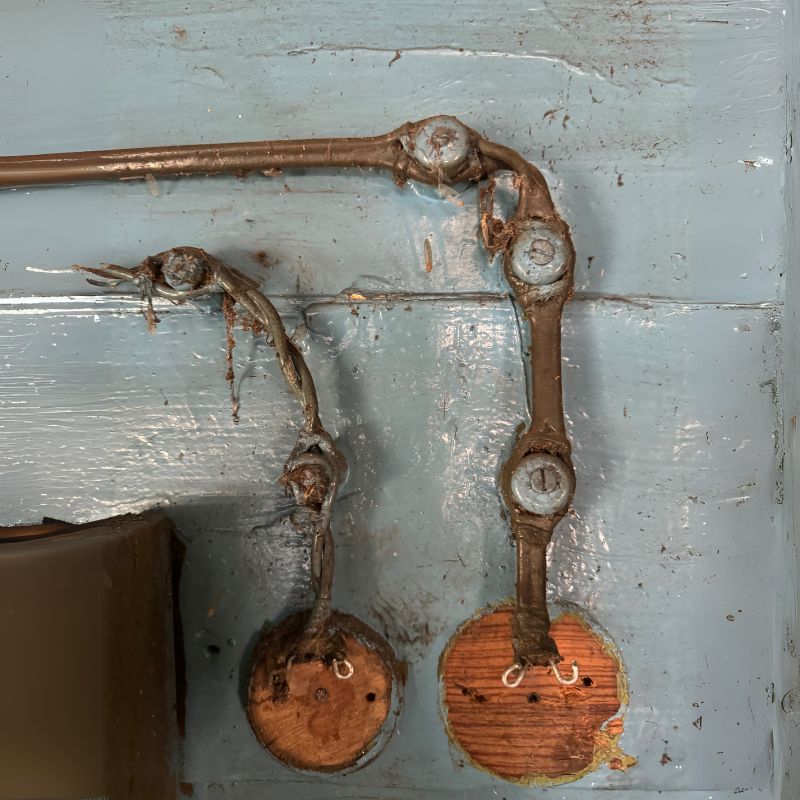
1. Outdated Wiring
(Knob-and-Tube & Cloth-Insulated)
Homes built before the 1940s might use knob-and-tube wiring or early insulated cables wrapped in cloth. Over time, the insulation can get brittle, crack, or even disintegrate. That leaves wires exposed—and nobody wants that. Also, these systems don’t have a grounding conductor, which means they can’t handle sudden spikes or modern-day usage without heating up. That can quickly turn into a fire hazard.
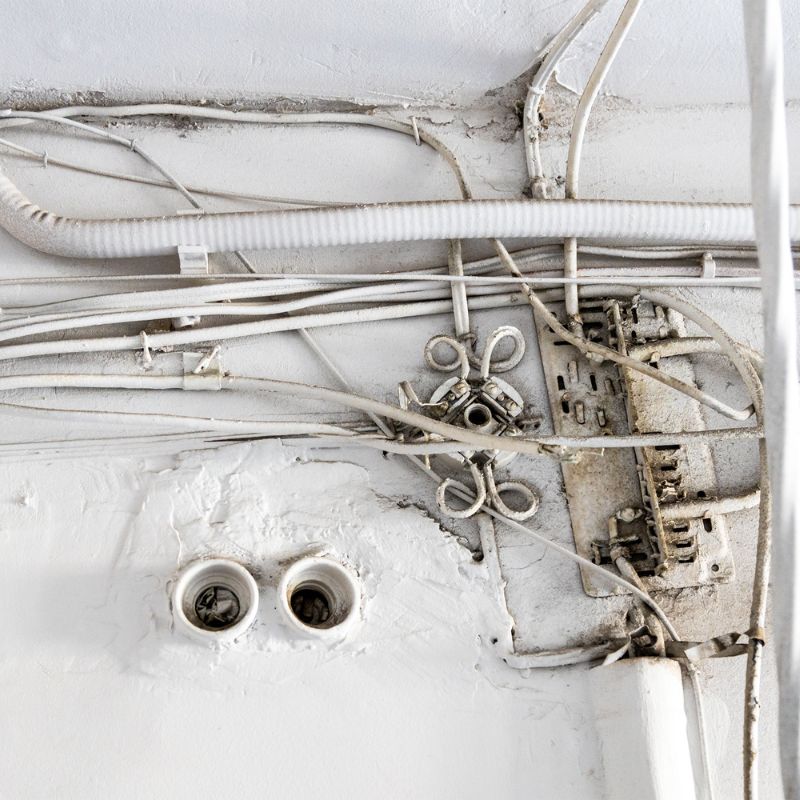
2. Aluminum Branch Wiring
During the late ’60s and early ’70s, aluminum wiring became popular because copper got expensive. Unfortunately, aluminum wiring can run hotter and degrade faster at connections. In fact, houses built before 1973 with aluminum wiring are said to be 55 times more likely to develop potentially dangerous loose connections. If your place was built in that window, check your wiring—it could be aluminum, and that’s something you’ll want to address.
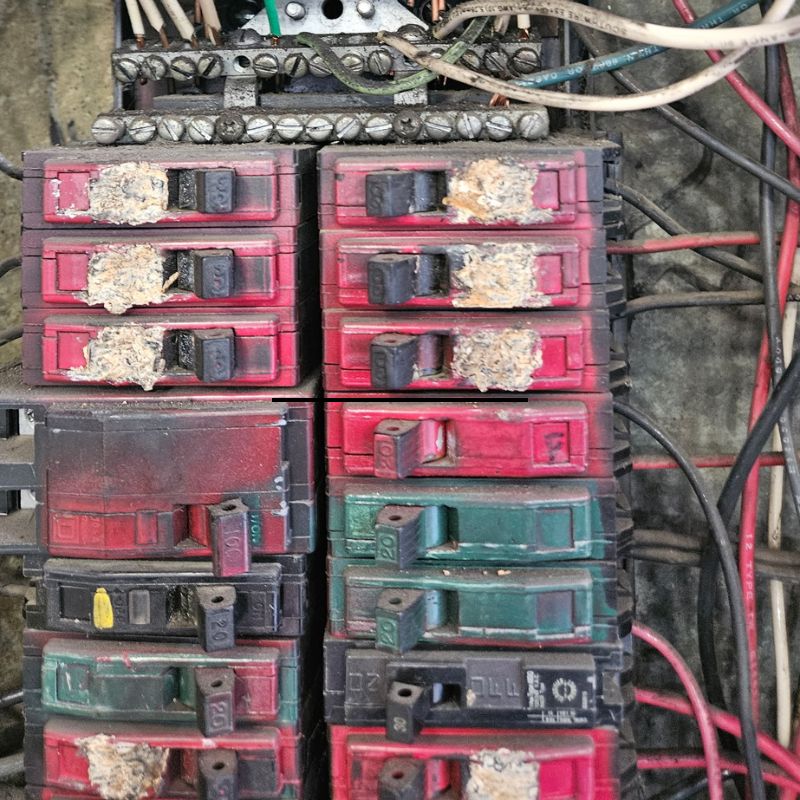
3. Old Fuse Boxes and Undersized Panels
Ever see one of those old fuse boxes in the basement with just a couple of fuses? That system probably wasn’t meant to power today’s appliances, HVAC systems, and electronics. Old 60-amp panels can get overloaded easily, and some homeowners will swap in the wrong-size fuse to avoid constantly blowing one, which only creates a ticking time bomb. This is why updating your panel is a big step toward reducing fire risk.

4. Overloaded Circuits and Outlets
When older homes were built, nobody anticipated the sheer number of things we’d be plugging in every day. This can lead to a shortage of outlets (forcing you to rely on power strips or extension cords). If your circuits are already maxed out, plugging in an extra device can cause breakers to trip—or worse, cause wires to overheat in the walls. That’s not something to take lightly.

5. Lack of GFCI and AFCI Protection
GFCI (Ground Fault Circuit Interrupter) outlets protect you from electrical shocks (especially around water), while AFCI (Arc Fault Circuit Interrupter) breakers can detect dangerous arcing that might lead to a fire. Neither of these features was standard in older homes. If your house doesn’t have GFCIs in the bathroom or kitchen, or if your panel doesn’t include AFCI breakers, you’re missing out on serious fire-prevention tech.

6. Worn-Out Outlets, Switches, and Fixtures
Outlets that spark, switches that feel hot, or bulbs that constantly burn out—these are all signs something’s off. Over the years, connections can loosen, wires can fray, and insulation can wear out. Any of these symptoms should prompt a call to an electrician. A “quick fix” like tightening a wire or replacing a cracked outlet cover could literally prevent a house fire.
How a Professional Electrical Inspection Keeps the Flames at Bay
If you own an older home, one of the best things you can do for your peace of mind is schedule an electrical inspection. Here’s why:
- Spotting Hidden Dangers
Let’s face it: most of us don’t regularly peek behind our walls or inside our breaker boxes. That’s where a pro comes in. A licensed electrician will know exactly where to look for telltale signs of trouble, like scorched insulation or loose wires that the average homeowner might miss. - Making Sure You’re Up to Code
Even if your house was code-compliant back in the day, codes change to reflect new safety standards. A professional inspection will clue you in on how your home measures up to modern National Electrical Code (NEC) requirements. In Columbia (and across South Carolina), electrical systems have to meet certain local and state rules. If your house is way behind current code, it’s not just a paperwork problem—it might also be a genuine safety issue. - On-the-Spot Repairs
If the electrician finds something truly hazardous—like melted wires or a breaker that’s so corroded it’s basically doing nothing—they can often fix it right away. A small repair can go a long way toward preventing a future emergency. It’s kind of like spotting a nail in your tire and patching it up before you end up on the side of the road. - Long-Term Suggestions
Let’s say your wiring is old but not in immediate danger—an electrician can still suggest ways to future-proof your system. That might mean adding AFCI breakers, replacing aluminum wires with copper, or upgrading from a 60-amp fuse box to a modern 200-amp service panel (especially if you plan on installing new appliances or HVAC systems). Think of it like a home improvement project that also helps you sleep better at night. - Better Insurance Rates and Peace of Mind
Many insurance companies appreciate when you take steps to reduce fire risk. Showing that you’ve had a professional electrical inspection and followed through on necessary updates can sometimes help you save on premiums or even stay insurable in an older home. Beyond that, once you know everything’s in decent shape, you can relax instead of worrying about your wiring every time you turn on the dryer and the microwave at the same time.
When Should You Get an Electrical Safety Inspection?
Here are a few guidelines to help you decide when it’s time to call in a pro:
- Your Home Is 40+ Years Old
Once your house hits that 40-year mark, it’s definitely time for a thorough electrical check—especially if you can’t recall one happening in the last decade (or ever). - Every 3–5 Years for Aging Systems
As a rough rule, if your home is older than 30 years, aim for an inspection every five years. If it’s past the 50-year mark, you might want to do it even more frequently, like every three years, to keep tabs on wear and tear. - After Major Renovations or Appliance Upgrades
Got a new central air system or replaced your stove with a high-powered induction model? Renovations or big electrical additions can put more strain on old wiring. Schedule an inspection to be sure your system can handle the load safely. - When You Notice Red Flags
Flickering lights, frequently tripped breakers, outlets that look or smell “off,” a burning odor, or a tingling sensation when you touch appliances—these are urgent signs. Don’t shrug them off; call an electrician immediately. - Before Buying or Right After Inheriting an Older Home
If you’re about to purchase or just inherited a mid-century or older property, an electrical inspection helps you avoid unpleasant (and potentially dangerous) surprises. - After Severe Storms or Flooding
Columbia storms can bring intense lightning and heavy rain. If your home takes a direct hit or your basement floods, an inspection helps confirm everything is still in safe, working order.

Columbia-Specific Tips for Electrical Safety
If you live in Columbia, keep these local factors in mind:
- Grandfathered Wiring Isn’t Always Safe
South Carolina follows the National Electrical Code, which evolves over time. Older wiring might be “grandfathered in,” meaning you’re not forced by law to update it. But grandfathered doesn’t always equal safe. GFCIs and AFCIs, for instance, weren’t around decades ago, yet they’re now standard because they prevent shocks and fires. Upgrading might not be mandatory—but it’s definitely wise. - The Climate Factor
Columbia’s summers are hot and humid. Your air conditioner might run nonstop for months, which can put a real strain on older wiring. Thunderstorms and the occasional ice storm can also cause power surges, which are tough on outdated panels. A surge protector (or better yet, a whole-house surge protection device) can be a game-changer for preserving your system. - Historic Homes and Renovations
Neighborhoods like Shandon, Cottontown, and other historic districts are full of architectural treasures. But if the electrical system is also “historic,” that charm fades fast when you flip a switch and blow a fuse—or worse. When you renovate a historic home, plan on updating the electrical. You’ll keep the vintage vibes while making sure you’re not living with a vintage (read: dangerous) wiring setup. - The Importance of Good Grounding
Our local soil conditions can affect your electrical grounding. A proper grounding rod and modern grounding techniques help protect your home during lightning storms (which Columbia definitely has its share of). A local electrician will know how to test and upgrade your grounding system so it can safely send excess electricity into the earth instead of through your walls. - Local Fire Department Efforts
The Columbia Fire Department teams up with organizations like Fire Safe South Carolina to promote home safety, including reducing electrical fires. They’ll often emphasize the importance of smoke detectors and having an escape plan, but don’t forget that electrical inspections can also prevent fires from happening in the first place. It’s one piece of the puzzle that helps keep our whole community safer.
Ready to Protect Your Columbia Home?
Schedule an Electrical Inspection
When it comes down to it, electrical inspections are about protecting what matters most—your family, your property, and your peace of mind. If you’re living in an older Columbia home, it’s time to take a good, hard look at what’s behind the walls and in your breaker box. Don’t wait for sparks, flickering lights, or a burning smell to force your hand. Stay ahead of the problem by scheduling an inspection now.
Rytec Electric Is Here to Help
At Rytec Electric, we understand the specific needs of older homes in Columbia, SC. Our licensed electricians know exactly where to look for hidden wiring problems, and we can handle everything from minor fixes to major panel upgrades or rewiring. We’ll:
- Inspect your wiring, outlets, and breaker panel to locate potential fire hazards.
- Report what we find in plain English—no technical jargon.
- Recommend practical fixes or upgrades to keep your home safe and functional.

Contact Us Today
Ready to book an inspection or just want to talk through your concerns? We’re all ears. Visit our Home Electrical Inspections page to schedule an appointment, or give us a call at (insert phone number). Let us help you enjoy the charm of your older Columbia home without worrying about electrical fires.
Don’t wait—a simple check-up now can save you a lot of stress (and possibly money) later. Secure your peace of mind by making sure your home’s electrical system is up to snuff. You’ll rest easier knowing you’ve taken steps to protect your property and your loved ones.