
Why Won’t My GFCI Outlet Reset?
GFCI protection has become ubiquitous in American homes – and is found everywhere from outdoor outlets to kitchens, laundry rooms, and bathrooms. Basically, any outlet that may be exposed to water during normal usage is required by the current electrical code to have GFCI protection.
When functioning normally, a GFCI outlet is just like any other outlet – but safer. This safety comes from its circuit breaking ability; if it detects unsafe conditions the outlet turns itself off. But what happens when it refuses to turn back on? Today we’re going to look at the common reasons why GFCI outlets won’t reset and give you some easy troubleshooting tips as well as advice on when you need to call an electrician!
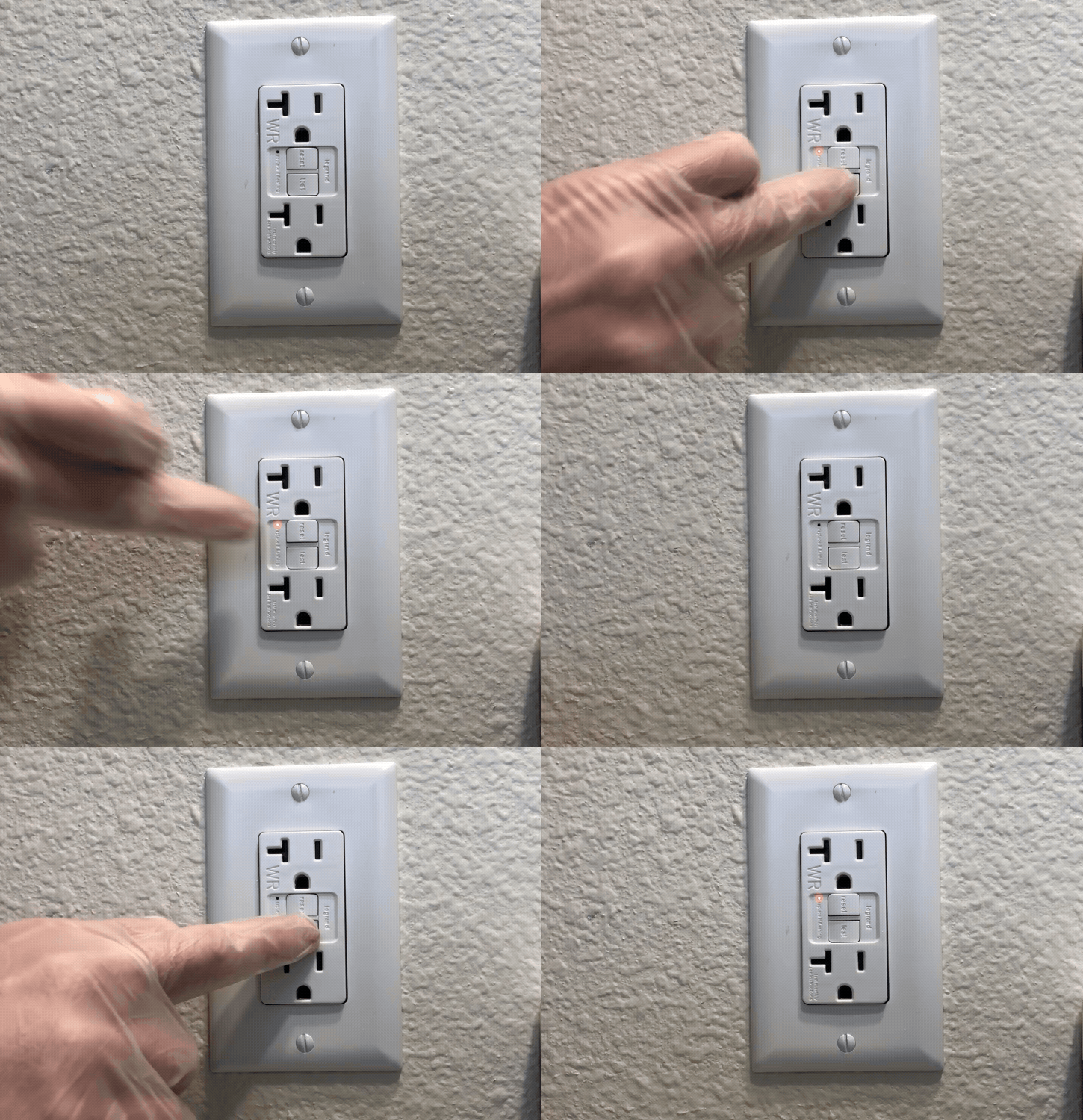
Understanding Why Your GFCI Trips
Ground fault circuit interrupters are a type of circuit breaker which detects so-called “ground faults.” Ground faults exist when electrical current flows from the positive side of your power system directly to ground, instead of returning via the neutral wire as intended. This sort of condition is exactly what you’d expect to see if an electric device such as a hair dryer was accidentally submerged in water.
GFCI breakers detect faults by comparing the power going out from the hot electrical wire to the power coming into the neutral electrical wire. When an imbalance as small as 4 to 6 milliamps is detected, the breaker slams shut in a tenth of a second – preventing dangerous electrical shocks.
GFCI outlets have done an incredible job at increasing household electrical safety in the US, and have saved tens of thousands of lives. Since 1973 when GFCI outlets were introduced, home electrical deaths have fallen by 80% even as the nation’s population and electrification has grown.
Troubleshooting a GFCI Which Won’t Reset
Ok, so your GFCI-protected outlet has tripped, what happens next?
The first, and most important thing to do, is to fix whatever condition caused the trip in the first place. In many cases it will be obvious what caused the trip: an electric device which got wet, water splashing onto the electrical outlet, or a damaged wire on an extension cord.
There may be some cases where it is hard to tell what exactly happened – and in these cases we recommend unplugging everything from the outlet before restoring power.
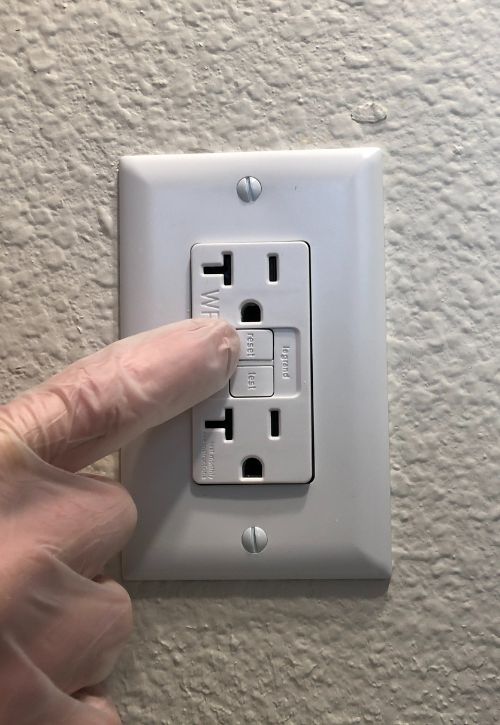
The vast majority of the time, resetting a GFI outlet is as simple as pressing the reset button. You may or may not hear a subtle click as the reset and test buttons reset themselves. Many new GFCI outlets include an indicator light which will change state to show the outlet is powered back on.
However, since you’re here reading this article, there is a decent chance that you’ve already tried this without success. Let’s dive into troubleshooting!
Can’t find a reset button?
Sometimes finding the reset button can be a bit of a puzzle – there will be an outlet which by code should be protected by GFCI, and yet it does not have a test or reset button!
In many cases, these outlets are protected by another outlet which has GFCI protection built into it. By properly connecting multiple outlets, a single GFCI receptacle can protect an entire circuit of standard outlets! When a downstream outlet experiences a ground fault, the upstream GFCI outlet will trip, disabling power to all of the outlets under its protection.
Check nearby outlets for a test/reset button and see if any of those are tripped. Odds are, resetting this outlet will restore functionality to the original outlet.
Check your electrical panel.
This should be a part of your diagnostics for nearly any electrical issue. If you can’t find a reset button, or it isn’t working, go check your breaker box. Sometimes GFCI protection is built into the circuit breaker itself, and usually these systems have a LED indicator to show when they’ve tripped.
While you’re there, you’ll also be able to see if you have a tripped circuit breaker. Depending on the conditions that caused the electrical fault, sometimes your breaker box will trip before a GFCI trips.
When to Contact a Professional Electrician
While our home’s electrical systems are generally quite robust, they do eventually fail. When this happens, it is best to have a qualified electrician perform the repairs as incorrect installation poses a short-term shock risk and a long-term fire hazard.
We recommend contacting a local, reputable electrician in the following cases:
- The GFCI outlet will not reset
- The GFCI outlet becomes extremely sensitive and pops regularly
- Your GFCI’s indicator lights are flashing
- Pressing the GFCI test button does not cause the breaker to trip
- You see or smell electrical smoke (sometimes described a fishy aroma)
- You see scorch marks or have heard the sounds of electrical arcing
Most of the time the repair will be a straightforward replacement of your faulty GFCI outlet – but it is always a good idea to have a licensed electrician check to make sure that your home’s electrical services are working properly and there are no underlying wiring issues or bad connections.
Generally, GFCI outlets have a 10 to 15 year lifespan, and may begin to act up after this time. Since these are safety devices, they typically ‘fail safe’ which is to say they will fail in the off position and refuse to return to their powered state.
GFCIs – Keeping Your Family Safe
The protection provided by GFCI outlets is incredible. These common devices have reduced household electrocution by a huge margin, and while they can be a little annoying when they fail, it is hard to deny their importance!
If your GFCI outlets aren’t resetting and you’ve already tried the troubleshooting steps listed above, we recommend reaching out to your local, licensed electrician. They have the tools and training to replace these essential devices and keep your home safe!
